
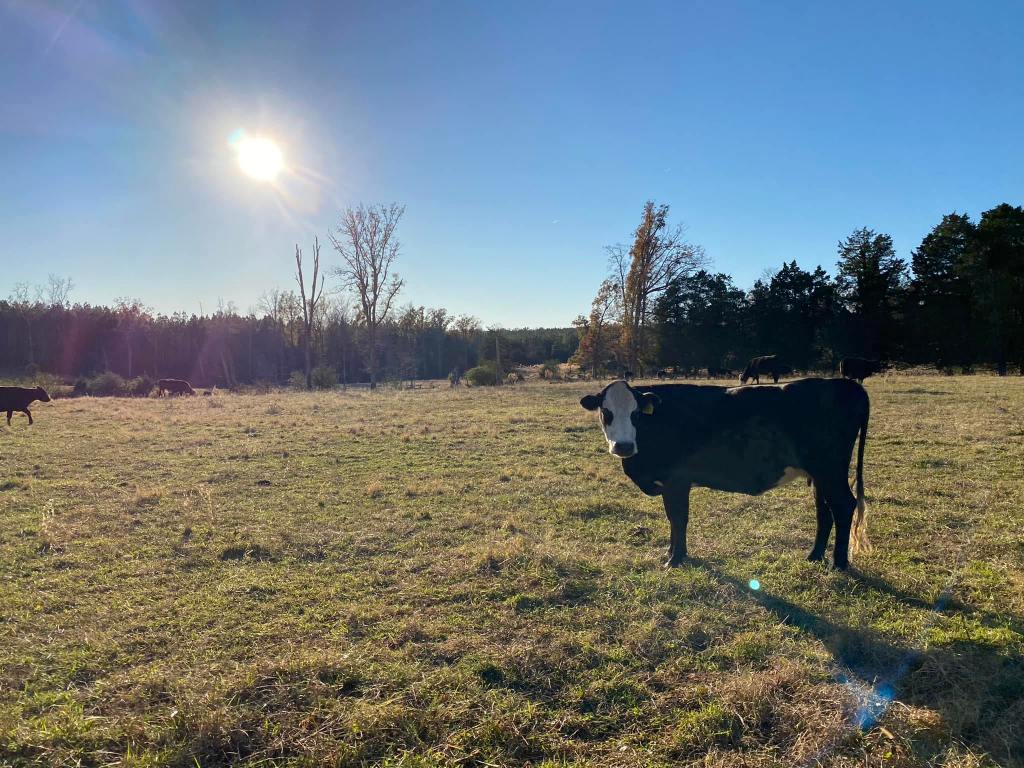
Are you considering purchasing farm-raised beef but unsure how to handle the cut sheet process? This comprehensive guide will walk you through everything you need to know about filling out a cut sheet, ensuring you get the best cuts tailored to your preferences. Published on September 08, 2025, at 02:00 PM EDT, this blog is designed to help beginners and provide transparency into the farm-raised beef experience.
What Is a Cut Sheet?
A cut sheet is a customizable form provided by your farmer or butcher when you buy a quarter, half, or whole beef. It allows you to specify how the beef carcass—typically yielding 100-125 lbs for a quarter, 200-250 lbs for a half, or 400-500 lbs for a whole—is broken down into steaks, roasts, ground beef, and more. This document is your key to personalizing your order, ensuring you receive cuts that match your culinary needs.
Why Filling Out a Cut Sheet Matters
Opting for farm-raised beef means enjoying superior flavor and quality, but the cut sheet determines how you’ll use it. Whether you prefer grilling ribeye steaks, slow-cooking chuck roasts, or making burgers with ground beef, your choices reduce waste and maximize value. Transparency note: The process varies by provider, so confirm details like processing fees ($775 minimum carcass charge, with $25 extra for separate cuts) with your farmer.
Step-by-Step Guide to Filling Out Your Cut Sheet
1. Determine Your Order Size
Start by confirming your beef portion: quarter, half, or whole. A quarter yields about 100-125 lbs, a half 200-250 lbs, and a whole 400-500 lbs of packaged meat. Ask your farmer for an estimated weight to plan your selections effectively.
2. Explore Available Cut Options
Review the cut sheet’s diagram or list, which typically includes:
- Chuck: Options like chuck roast, flat iron steak, or ground beef.
- Rib: Choices such as ribeye steaks, bone-in ribeye, or prime rib roast.
- Loin: Selections including tenderloin, T-bone, or New York strip steaks.
- Round: Lean cuts like top round roast or London broil.
- Brisket & Plate: Brisket for smoking or short ribs.
- Extras: Ground beef, stew meat, or offals (e.g., liver, tongue).
Note: You usually pick one option per section (e.g., ribeye or roast), as these are mutually exclusive.
3. Make Your Selections
- Pick One per Section: Choose your preferred cut (e.g., ribeye steaks) or opt for “ground” for versatility.
- Customize Details: Specify steak thickness (e.g., 1 inch), bone-in or boneless, or patty sizes (e.g., 4 oz or 6 oz).
- Grind Preferences: Decide how much to grind—trimmings or entire sections like round.
- Add Extras: Select offals or special cuts if offered, with potential charges (e.g., $1.00/lb for tongue).
4. Review and Submit
Double-check your entries. Farmers often call to confirm, especially for first-timers. Submit by the deadline (e.g., drop-off or online) and expect a 3-4 week processing time. Transparency note: Late submissions may incur a $100 fee.
Preparation and Delivery Process
Your beef will be expertly processed, cut to your specifications, wrapped, weighed, vacuum-sealed, and frozen to preserve freshness and quality. Once ready, it will be delivered to you, ensuring it arrives in optimal condition. Delivery details, including pricing, will be discussed when we contact you to finalize your order.
Freezer Space Requirements
Proper storage is key to enjoying your beef. Here’s what you’ll need based on your selection:
- 1/4 Beef: Approximately 100-125 lbs, requiring 4-6 cubic feet of freezer space (fits in a small chest freezer or half of a standard upright freezer).
- 1/2 Beef: Approximately 200-250 lbs, requiring 8-10 cubic feet (a medium chest freezer or most of a full-size upright freezer).
- Whole Beef: Approximately 400-500 lbs, requiring 16-20 cubic feet (a large chest freezer or multiple upright freezers).
Measure your freezer space ahead of time to ensure a good fit.
Tips for First-Time Buyers
- Keep It Simple: Start with steaks, roasts, and ground beef to ease into the process.
- Seek Guidance: Contact your farmer—they’re there to help novices.
- Plan Storage: Use the freezer space estimates above to prepare.
- Try a Standard Cut: If unsure, request a standard cut. This includes a balanced mix of 20% steaks (e.g., ribeye, sirloin), 20% roasts (e.g., chuck, round), and 60% ground beef, with optional bones and stew meat, offering a versatile starting point.
What Happens Next
After submission, your farmer or butcher processes your beef based on your cut sheet. We’ll contact you directly to review your selections, answer questions, and finalize details, including delivery arrangements. Stay tuned for our next blog on storing and cooking farm-raised beef!
Ready to dive in? Fill out your cut sheet with confidence—your delicious, farm-raised beef is just steps away!
Leave a Reply